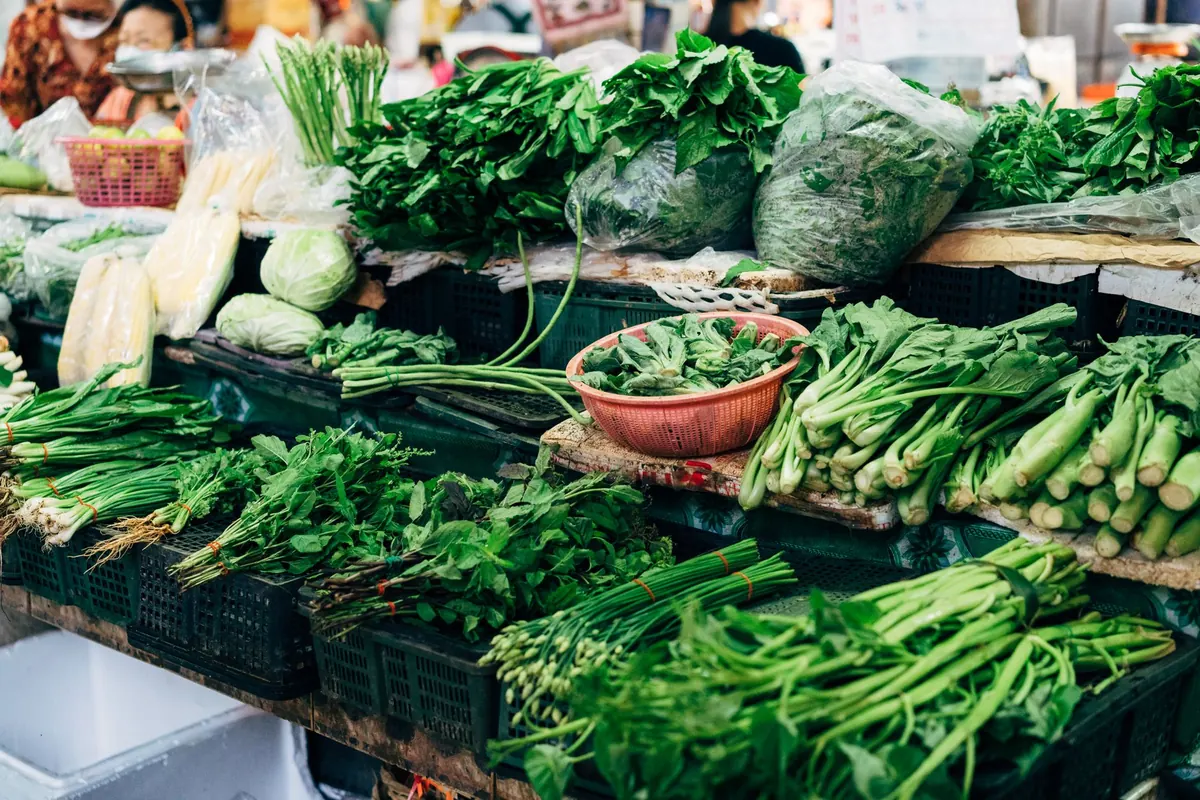
Spring Vegetables Guide: How to Cook What's Fresh This Season
Spring vegetables arrive all at once and then vanish. Asparagus is here for a few weeks, not a season. Peas turn starchy the moment they sit too long. Radishes go from crisp to spongy in the drawer. The good news is that none of these vegetables need much from you. They need heat, salt, fat, and a little acid — and they need to be cooked less than you think.
Here is how to handle the four that show up in almost every market basket from March through June, plus the pairings that make them feel like a meal instead of a side dish.
Asparagus: Snap It, Don't Baby It
Hold a spear near the base and near the middle, then bend until it breaks. That natural snap point tells you where the tough fiber ends. For thick spears, peel the bottom inch or two with a vegetable peeler; for pencil-thin ones, skip it.
Roasting is the least fussy route. Heat the oven to 425°F, spread the spears on a sheet pan in a single layer, toss with olive oil and salt, and roast until the tips are crisp and the stalks bend without collapsing — roughly 10 to 12 minutes for thick spears, 5 to 7 for thin. Crowding the pan steams them instead, so use two pans if you have to.
Blanching is the move when you want them cold or want to finish them later. Drop them in well-salted boiling water for 2 to 3 minutes, then straight into ice water to stop the cooking. Drain, dry, and dress with lemon zest, olive oil, and shaved parmesan.
What goes with asparagus: eggs in any form, especially soft-boiled or fried; lemon; butter; prosciutto; new potatoes; mint; toasted breadcrumbs. Raw spears shaved thin with a peeler make a sharp little salad with pecorino and lemon juice.
Peas: Respect the Short Clock
Shelling peas are worth the ten minutes of podding exactly once a year. Pod them, blanch for 1 to 2 minutes, drain, and finish with butter, salt, and torn mint. That's the whole recipe.
Sugar snaps and snow peas are faster: pull the strings, then stir-fry over high heat for 1 to 2 minutes with garlic and a splash of soy or rice vinegar. They should squeak when you bite them.
Frozen peas are not a compromise. They're frozen close to harvest and often sweeter than tired fresh ones. Keep a bag in the freezer and add them at the very end of cooking — a minute in a hot pan is plenty. Boiling peas for ten minutes turns them grey and mealy.
Peas like: mint, dill, bacon or pancetta, butter, ricotta, lemon, spring onions, pasta, rice. Cooked peas folded into a risotto at the last minute, or tossed through pasta with a spoonful of pesto, is a weeknight dinner that tastes like effort.
Radishes: Roast the Ones You Won't Eat Raw
Raw radishes are best sliced thin and treated like a condiment. Thin rounds on buttered bread with flaky salt is a classic for a reason. So is a bowl of them with olive oil, lemon juice, and a hard salty cheese.
If the pile in your fridge is getting away from you, roast them. Halve larger ones, toss with oil and salt, and roast at 425°F for 15 to 20 minutes until the cut sides brown and the edges wrinkle. The pepperiness fades and they turn sweet and juicy. Serve with plain yogurt, dill, and a drizzle of olive oil.
Two things people throw away that they shouldn't:
- Radish greens. They're peppery and edible. Wash them well (they hold grit), then wilt in a hot pan with garlic and olive oil, or blend into a sharp pesto with walnuts and parmesan.
- The pickling liquid. Radishes quick-pickle in 30 minutes in a mix of rice vinegar, water, sugar, and salt. Make extra brine and reuse it for cucumbers and onions later in the week.
Spring Greens: Match the Green to the Method
Greens are not one ingredient. Treating them that way is why so many pans of chard come out slimy.
Tender greens
Spinach, arugula, mâche, young lettuces, pea shoots. These are salads first. If you're cooking them, do it in a hot pan with oil and garlic for 30 seconds, just until they collapse. Any longer and they release water and stew.
Hearty greens
Kale, collards, mustard greens, mature chard. These want fat and time, or a very hot oven. A reliable order of operations:
- Warm olive oil or butter in a wide pan and add aromatics — garlic, shallot, chili, anchovy.
- Add stems first if you're using chard or broccoli rabe, and cook for 2 to 3 minutes.
- Add the leaves, a big pinch of salt, and a splash of stock or water. Cover and steam for 3 to 8 minutes, depending on toughness.
- Uncover, raise the heat, and let any liquid cook off.
- Finish off the heat with lemon juice or vinegar. Acid is what makes greens taste bright instead of bitter.
Kale also roasts well at 350°F until the edges crisp, and holds up to a raw salad if you massage it with oil and salt for a minute first. Chard stems, saved and sautéed separately, are excellent with garlic and a little vinegar.
If you take a medication that interacts with vitamin K, such as warfarin, talk to your doctor before making large changes to how many leafy greens you eat. Consistency matters more than avoidance.
Pairings That Work With the Whole Basket
Most spring plates get better when you build them the same way: something green, something rich, something acidic, something starchy. Mix and match.
- Asparagus + fried egg + lemon + thick toast
- Peas + pancetta + mint + short pasta
- Roasted radishes + yogurt + dill + flatbread
- Greens + anchovy + garlic + white beans
- Any of them + grainy mustard vinaigrette + boiled new potatoes
Pick One Thing and Cook It Tonight
Buy vegetables that smell like something. Asparagus should be firm, with tight tips and no shriveling. Peas should rattle in the pod, not feel soft. Radishes should be heavy for their size. Greens should look perky, not yellowed at the edges.
Store asparagus upright in a jar with an inch of water, or wrapped in a damp towel in the fridge. Keep greens in a bag with a paper towel to catch moisture. Use radishes within a few days.
Then cook one of them simply, tonight, while it's good. Olive oil, salt, high heat, a squeeze of lemon. Season again at the table with flaky salt. Spring vegetables don't need a technique — they need dinner to happen before the season ends.
Photo: Markus Winkler / Pexels